Reading paths
Reading a letter without losing its context
Before carrying a sentence into our own lives, we can pause to ask who was speaking, to whom, and in response to what.
A letter reaches us with the intimacy of a voice addressing someone. Even when its reader lives far from the circumstances in which it was written, that directness can make the words feel immediately personal. It is one of the attractions of correspondence—and a reason to read it carefully.
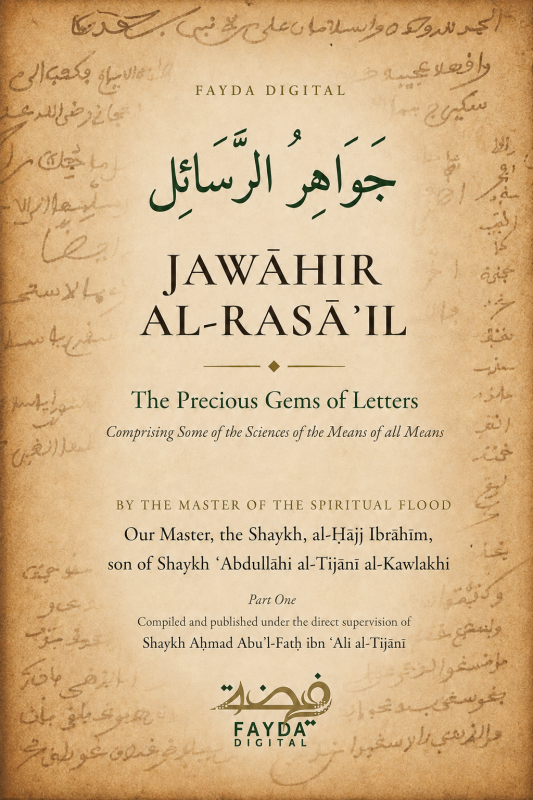
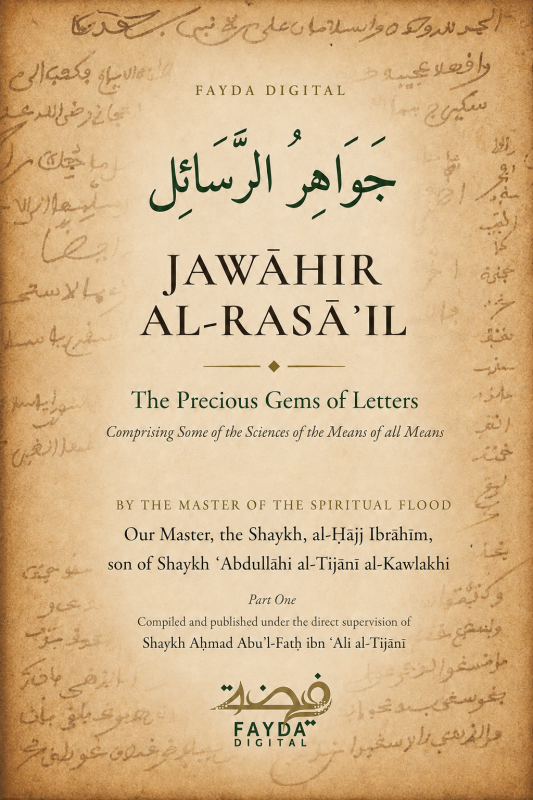
When approaching a collection such as Jawāhir al-Rasāʾil, we can give the form of the letter the same attention we give its subject. The writer is responding within a setting. Our first task is to notice what the edition tells us about that setting, and what it does not tell us.
Begin with what is actually given
Look for the recipient, any date or location, the question being addressed, and the editor’s explanatory notes. Do not fill an absence with a story that merely seems plausible. A notebook can hold a simple distinction: what the text states, what the editor explains, and what I am inferring.
This habit is particularly helpful when a sentence is memorable enough to travel on its own. Its force within a letter may depend on what comes before it, on the concern being answered, or on a relationship we only partly understand.
Read twice before selecting a sentence
On a first reading, follow the movement of the whole letter. On a second, notice the words that organise its counsel. If a passage is difficult, mark it as a question rather than translating your uncertainty into a confident conclusion.
When working across languages, keep the Arabic, translation and any explanatory material distinct. If you do not read the original language, acknowledge that limitation and use the support the edition provides. Questions about religious practice belong with a qualified teacher.
Carry the question forward
After reading, summarise the letter in your own words. Then ask what you would need to know before applying its counsel to a different circumstance. The pause does not distance us from the work; it makes room for a more responsible encounter with it.
Our four-week Reading Circle programme offers a gentle way to practise this approach. It begins with the introductory material, moves into a chosen letter, and returns to the questions that emerged along the way.
An original Fayda Books editorial reading companion. This article does not reproduce or quote passages from the book.